
 English
 日本語
日本語
 한국어
한국어
 简体中文
简体中文
 繁體中文
繁體中文
 Italiano
 español
 Deutsch
 Русский


Have you ever noticed this?
Your child can understand an English cartoon.
They can answer questions in class.
They may even know the grammar rule.
But when someone says, “Tell me about yourself,” suddenly… silence.
This is more common than many parents realise.
The problem is not always a lack of English knowledge. Sometimes, children simply have not had enough opportunities to use English without being afraid of making mistakes.
When children are constantly worried about saying the “wrong” word or making a grammar mistake, they may choose not to speak at all.
That is why speaking practice should not feel like an examination.
It should feel like a conversation.
A good English lesson for young learners can include:
- storytelling
- games and role-play
- picture descriptions
- everyday conversations
- questions that encourage children to explain their ideas
- gentle correction rather than constant interruption
The goal is not to make a child speak perfect English immediately.
The goal is to help them think:
“I can speak English. I can make mistakes. And I can keep going.”
Confidence grows through practice.
And sometimes, the most important sentence a child learns in an English lesson is not a grammar rule.
It is:
“I am not afraid to try.”
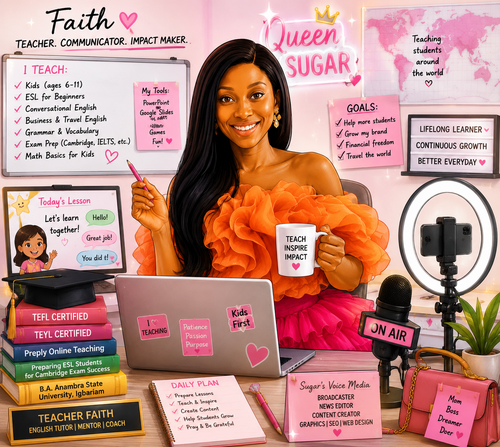
— Faith
TEFL & TEYL Certified English Tutor





Comments (0)